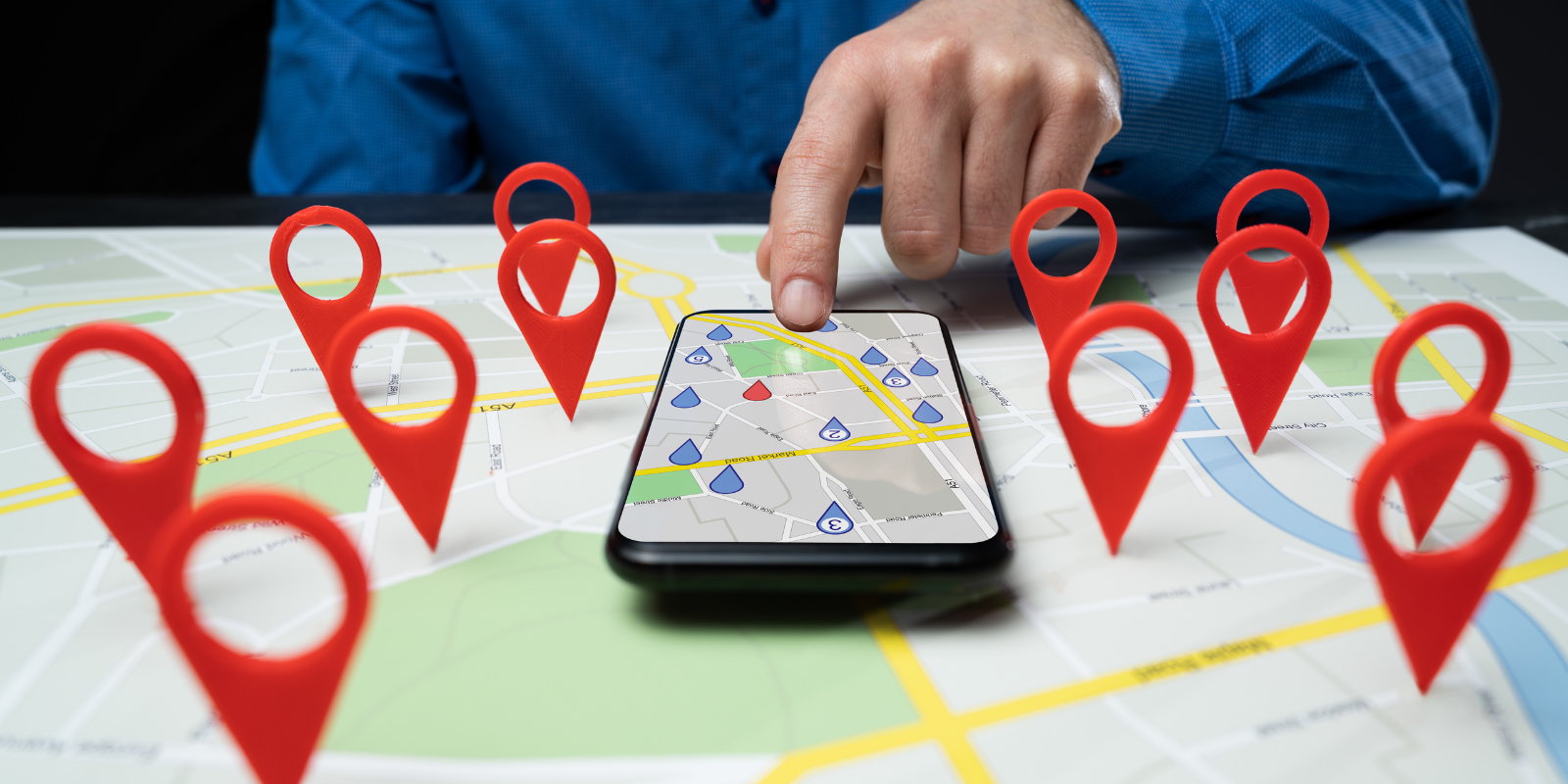
Local SEO is one of the highest-intent ways service businesses can generate enquiries from Google. When done properly, it puts your business in front of people actively looking for services in your area.
In this guide, we’ll explain what local SEO actually is, how it works, and why many businesses struggle to see results despite investing time and money into it.
Key Takeaways
- Local SEO targets high-intent searches from nearby customers
- Google Business Profile plays a central role in local visibility
- Website structure and location relevance support map rankings
- Consistency and optimisation matter more than volume
- Local SEO works best when paired with strong website foundations
What Local SEO Actually Is
Local SEO focuses on helping your business appear when people search for services in a specific location.
This includes map results, local listings, and location-based organic searches. For service businesses, these searches often have the highest intent, meaning users are closer to taking action.
Ranking locally is not just about your website. It’s about how your business is presented across Google’s ecosystem.
The Role of Google Business Profile in Local SEO
Your Google Business Profile is one of the strongest drivers of local visibility.
It influences whether you appear in map results, how often your business is shown, and how much trust Google assigns to your location.
Optimising your profile properly improves relevance, consistency, and engagement signals.
To see what this involves, view our Google Business Profile optimisation service.
Working With a Local SEO Agency
While local SEO can look simple on the surface, consistent results usually come from structured optimisation and ongoing refinement.
Google Business optimisation, location relevance, review signals, and website alignment all need to work together. When these elements are handled strategically, local visibility and enquiry flow tend to improve steadily over time.
If you want a clearer understanding of how this works in practice, explore our Local SEO agency page which breaks down our full approach to Google Business optimisation and local search growth.
Why Many Local SEO Campaigns Underperform
Local SEO often fails because it’s treated as a checklist.
Businesses add their address, upload a few photos, and expect results. Without proper optimisation, supporting website pages, and ongoing refinement, performance stalls.
Google looks for relevance, proximity, and authority. If your website and business signals don’t reinforce each other, rankings struggle to improve.
How Your Website Supports Local SEO
Your website plays a supporting role in local SEO success.
Clear service pages, location relevance, fast performance, and strong structure all help Google understand who you serve and where.
This is why local SEO works best when paired with solid SEO foundations and a properly built website.
Learn more about our approach on the SEO page.
Local SEO vs Traditional SEO
Traditional SEO focuses on broader keyword rankings, often across larger regions or nationally.
Local SEO narrows the focus to geographic intent. It prioritises searches where location matters and competition is often more direct.
For many service businesses, local SEO delivers faster and more consistent enquiry growth.
When Local SEO Makes the Biggest Impact
Local SEO is most effective for businesses that serve defined areas and rely on inbound enquiries.
If customers typically search for your service alongside a suburb or city, local optimisation should be a priority.
In these cases, ranking locally can outperform broader SEO efforts.
Local SEO Works Best on a Strong Foundation
Local optimisation is amplified when the website behind it is built correctly.
A fast, well-structured site with clear messaging supports both local rankings and conversion once visitors arrive.
If your website needs improvement before scaling local SEO, see Website Design and Development.
Start With a Local SEO Audit
If you’re unsure why your business is not showing up locally, start with clarity.
An audit will reveal gaps in your Google Business Profile, website structure, and local signals so you know exactly what to fix.
Next step: Get a Free Website and SEO Audit